

The Command to Rebuild Jerusalem
£7.99
Which decree begins the prophetic clock, and why does the rebuilding of Jerusalem matter so much? Daniel 9:25 has led faithful interpreters to weigh several possible starting points, each with its own strengths and difficulties. This study explores the debate carefully while keeping the focus on God’s faithfulness, Jerusalem’s restoration, and the unfolding path toward Messiah.
This is a digital product; nothing is shipped. Access is provided electronically after successful payment, as described on this page. By requesting immediate access, you acknowledge that your cancellation rights may be affected once digital supply begins. This does not affect your rights if content is faulty, misdescribed, or inaccessible. Refunds & Cancellations.
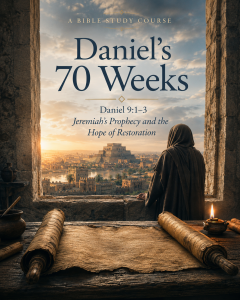
Daniel’s 70 Weeks: From Exile to Messiah
Prefer the complete set? This study guide is also available inside the full series bundle.
A complete personal Bible study in one guide
Each 28-page study guide takes you on a journey deeper into Scripture, through structured stages, original language insights, and rich theological discussion. Here's some of what every guide includes:
- Visual Study Infographic
- Stage-by-Stage Approach
- Key Word Definitions
- Greek & Hebrew Originals
- Theological Debate Analysis
- People & Places
- Evaluation Questions
- Core Claims & Main Emphasis
- Chapter Structure & Key Verses
- Cross-Reference Index
- Test Your Knowledge
- Further Reflection Prompts

Description
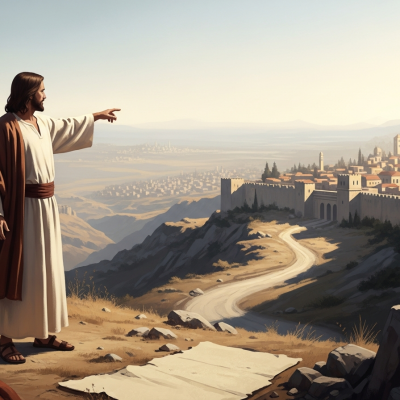
Daniel 9:25 introduces one of the key turning points in the seventy-week prophecy: the command to restore and rebuild Jerusalem. Daniel has been praying for the city, confessing Israel’s sin, and pleading for God to act in mercy. Gabriel’s answer now moves from prayer to timeline, showing that Jerusalem’s restoration will become part of a much larger prophetic movement leading toward the Messiah.
This study explores why the rebuilding of Jerusalem matters so deeply in Daniel 9. The issue is not merely architectural. Jerusalem was the city of God’s name, the place bound up with temple worship, covenant identity, and the hope of restoration after exile. For Daniel and the Jewish exiles, the rebuilding of the city would signal more than political recovery. It would be a sign that God had not abandoned His people and that His promises were still moving forward.
At the heart of this guide is the debated question: which command begins the prophetic clock? Scripture records several Persian decrees connected to the return from exile, the rebuilding of the temple, and the restoration of Jerusalem. Some interpreters begin the timeline with Cyrus and the first return. Others point to later decrees connected with Ezra or Nehemiah, especially where the city’s walls, gates, and civic life come into view. This study carefully introduces the main options, helping readers understand why faithful interpreters have reached different conclusions.
Rather than reducing Daniel 9:25 to a mathematical puzzle, this guide keeps the focus on the theological meaning of restoration. Why does Gabriel begin with a command to rebuild Jerusalem? Why does the prophecy connect a restored city with the coming of the Anointed One? How does God use the decisions of earthly rulers to advance His redemptive purposes? And what does this reveal about His sovereignty over history?
Designed for thoughtful individual study or small-group discussion, this guide guides readers through the text with care. It gives space for observation, interpretation, theological reflection, and personal response, helping you engage the passage without rushing to simplistic answers. You will explore the historical background of the Persian period, the significance of Jerusalem’s restoration, the meaning of “street and moat,” and the interpretive questions surrounding the beginning of the seventy weeks.
As part of the Daniel’s 70 Weeks: From Exile to Messiah series, this session helps readers see that God’s promises are not vague or detached from history. They unfold in real places, through real events, and according to His sovereign purpose. The command to rebuild Jerusalem is not the end of the story; it is the beginning of a prophetic path that leads toward the Messiah.
Themes covered in this study:
Explore more on this theme: Browse all →



Reviews
There are no reviews yet.